Remember When Word Search Puzzles
Word search puzzles have a nostalgic charm that many still enjoy. Whether you're reliving childhood memories or discovering them for the first time, these puzzles offer more than just entertainment. They can be a tool for learning, creativity, and even professional development. But what exactly is Remember when Word Search Puzzles? And why does it matter to different people in different ways?
What Is Remember When Word Search Puzzles?
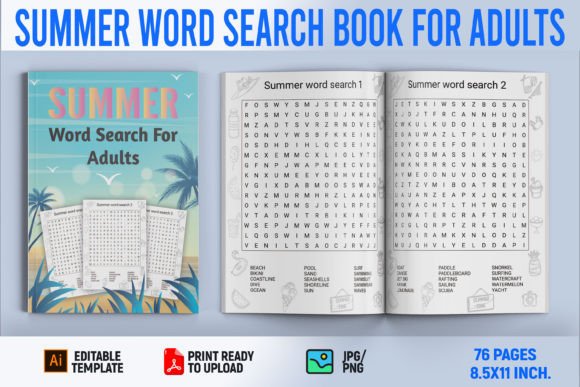
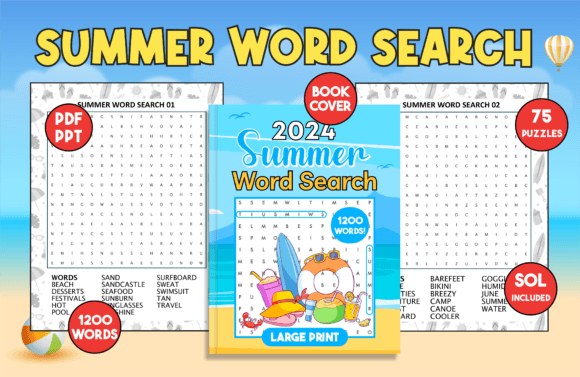
Remember when Word Search Puzzles refers to a collection of word search games designed to evoke nostalgia while providing an engaging challenge. These puzzles often feature themes tied to popular culture, historical events, or everyday experiences. Unlike generic word searches, they are crafted with a specific emotional or cultural context in mind.
The appeal lies in their ability to connect users with past moments through language and pattern recognition. Each puzzle is a journey back in time, offering a unique blend of memory and mental exercise.
Why Different Audiences Care About It
For some, Remember when Word Search Puzzles is a way to unwind. For others, it's a valuable resource for teaching, branding, or personal growth. The value depends on how each individual approaches the activity and what they hope to gain from it.
Beginners and Hobbyists
If you're new to word searches, these puzzles can be a fun introduction to the genre. They often include simpler grids and familiar words, making them accessible for those just starting out. Hobbyists might appreciate the creative designs and thematic elements that make each puzzle feel like a small adventure.
For example, a beginner might choose a puzzle themed around classic movies or music from the 80s, helping them connect with their past while improving vocabulary and concentration.
Professionals and Educators
Teachers and educators can use Remember when Word Search Puzzles as a tool for classroom engagement. These puzzles can reinforce vocabulary, teach history, or introduce students to cultural references in a playful way. They also encourage critical thinking and attention to detail.
Professionals in fields like marketing or content creation might find value in the storytelling aspect of these puzzles. A marketer could use a themed puzzle to engage an audience or promote a brand in a subtle, memorable way.
Business Owners and Creators
Entrepreneurs and creators may see Remember when Word Search Puzzles as a potential product or service. Custom puzzles can be sold as part of a brand’s offerings, used in advertising campaigns, or integrated into educational platforms. The flexibility of the format allows for creative applications across industries.
A small business owner, for instance, might design a puzzle based on their company’s history or values, creating a unique customer experience that fosters loyalty and connection.
Consumers and Nostalgia Seekers
Many consumers simply enjoy the sentimental value of these puzzles. They provide a sense of comfort and familiarity, especially for those who grew up with similar activities. For them, the goal is not necessarily to solve the puzzle quickly but to relive a moment or share a memory with others.
A consumer might choose a puzzle featuring a beloved childhood show or a famous landmark, using it as a conversation starter or a way to bond with family and friends.
Key Priorities for Different Users
When evaluating Remember when Word Search Puzzles, users often consider different factors based on their goals:
- Ease of Use: Beginners may prioritize simple layouts and clear instructions.
- Quality: Experienced users might look for well-designed puzzles with accurate themes.
- Flexibility: Creators and professionals may need customizable options or scalable formats.
- Learning Value: Educators and parents may focus on puzzles that support skill development.
- Commercial Value: Business owners might assess how well a puzzle aligns with their brand or target audience.
Understanding these priorities helps users determine which puzzles best suit their needs. A puzzle that works well for a teacher may not be ideal for a hobbyist, and vice versa.
Practical Examples for Different Reader Types
Let’s explore how various users might approach Remember when Word Search Puzzles:
- For a Student: A high school student might use a puzzle focused on historical events to prepare for a test. The interactive nature of the puzzle makes studying more engaging and memorable.
- For a Marketer: A digital marketer could create a branded puzzle for a campaign, embedding keywords or slogans within the grid. This approach subtly reinforces brand messaging while offering an enjoyable experience.
- For a Family: Parents might print a puzzle based on a favorite movie or book, turning it into a fun activity for the whole family. It becomes a shared experience that strengthens relationships.
- For a Content Creator: A blogger or YouTuber might incorporate a puzzle into a post or video, encouraging audience interaction and increasing engagement.
Each of these scenarios shows how Remember when Word Search Puzzles can be adapted to fit different roles and objectives.
Is It Right for You?
Whether Remember when Word Search Puzzles is right for you depends on your interests, goals, and how you like to engage with challenges. If you’re looking for a way to relax, learn, or connect with others, these puzzles can be a great fit.
Consider what you want to get out of the experience. Are you seeking nostalgia, education, creativity, or something else? Once you understand your own priorities, you’ll be better equipped to choose the right puzzles for your needs.
Ultimately, Remember when Word Search Puzzles offers more than just a game—it’s a bridge between the past and present, and a way to explore the world through words and memory.